Athlete & Family Counsel

Athlete Contracts That Protect Rights, Financial Interests and Future Opportunities


Endorsements, agent agreements, appearance deals, school revenue-sharing contracts and family business arrangements all shape an athlete's future. J Barrow Legal advises athletes and parents on these agreements before they are signed.

Athletes now sign contracts earlier than ever, beginning with high school NIL deals and college revenue-sharing agreements and continuing through agent and marketing representation and, later, professional and endorsement contracts. Each one assigns rights, money and control, and parents are often asked to sign alongside a young athlete without a clear view of what they are agreeing to.

The risks are practical. An agent agreement may carry fees and terms that outlast its usefulness, a sponsorship may restrict other deals, and a family arrangement may mix the athlete's money with everyone else's. Clear contracts, reviewed early, prevent many of the disputes that would otherwise follow.

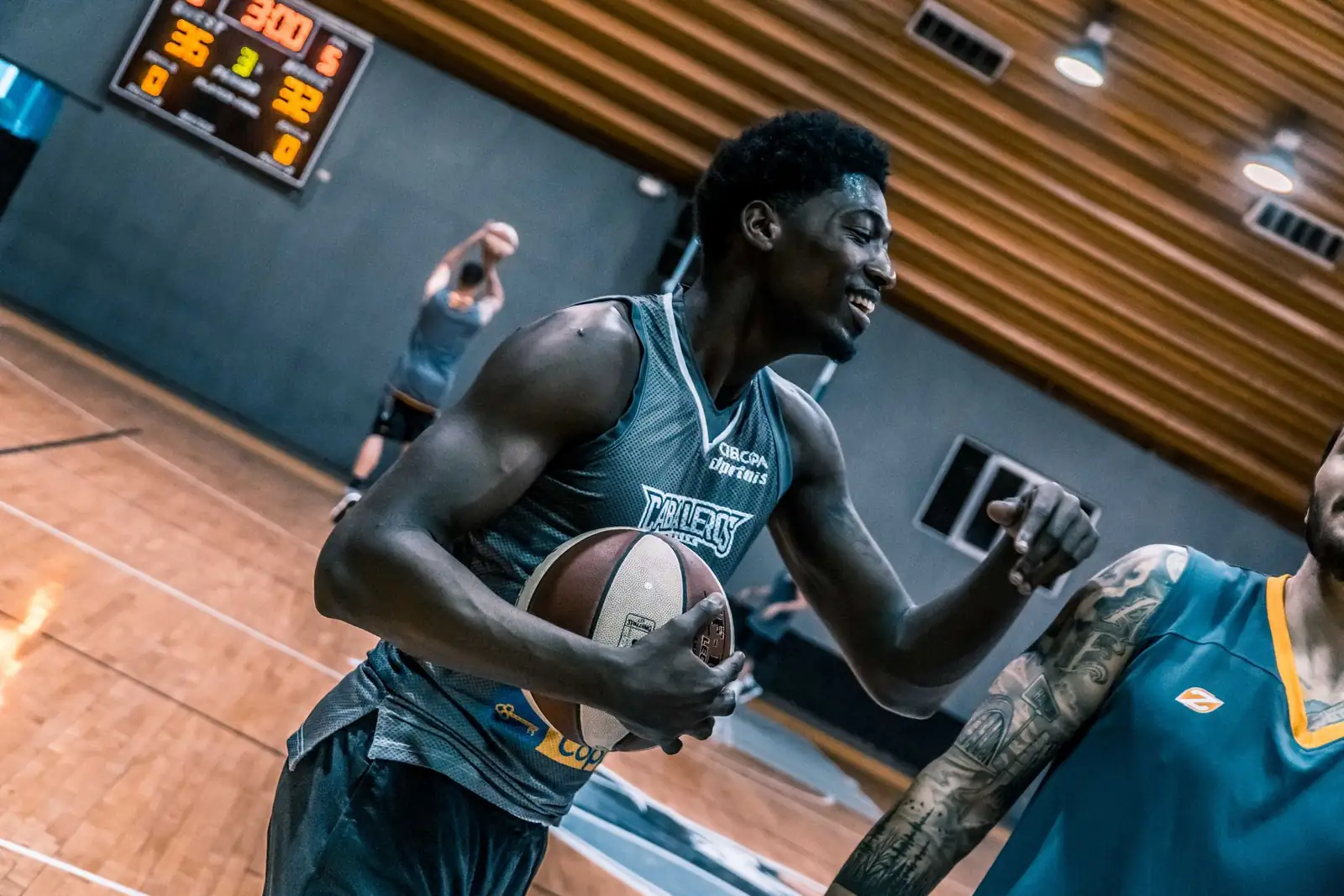
Basketball player driving to the basket

When Athletes and Families Call Us

  • An agent or marketing firm wants the athlete to sign a representation agreement
  • A school has offered a revenue-sharing or NIL agreement, or the athlete is weighing a transfer with contracts still running
  • A sponsor has proposed an endorsement, licensing or appearance agreement
  • Brand income is growing, and the family is considering whether to form an LLC
  • A parent or relative is managing money, and the family wants roles and authority in writing
  • A financial advisor, trainer or manager has proposed a fee or percentage arrangement
  • A representation relationship has broken down, and the athlete wants to understand the available exit rights
Request Contract Review or call (216) 930-1320

How J Barrow Legal Helps

Agent and representation agreements

We review agent, marketing and management agreements for Ohio registration, fees, term, exclusivity, termination and required notices, and we explain the athlete's options before signing.

Endorsement, appearance and licensing deals

We review sponsorship and appearance agreements for the scope of rights granted, approvals, morality clauses, payment terms and conflicts with school or league obligations.

Family structures

We help families form entities and put roles in writing, including who may sign, who handles money and how advisors are paid.

Coordination, not deal sourcing

J Barrow Legal provides independent legal advice, contract review and negotiation of contractual terms where included in the engagement and permitted under applicable law and governing sports regulations. The firm does not procure athletic employment, solicit playing contracts or market athletes as an agent. Where a matter requires registered or certified agent services, we coordinate with appropriately qualified professionals.

Dispute avoidance

When a relationship breaks down, we review the exit rights, notice requirements and dispute clauses that apply and advise on options for resolving the matter.

Jazmyn Barrow, founder and principal attorney

Experience: Independent Legal Counsel for Athletes and Families

Drawing on a background in contract negotiation and dispute resolution, including prior service as a shareholder at national law firms, Jazmyn Barrow advises athletes and families on agreements involving agents, marketing representatives, endorsements and school compensation arrangements. Her review considers the immediate economic terms as well as rights, obligations and restrictions that may continue after the relationship ends. As independent legal counsel, she focuses on protecting the athlete's contractual rights, decision-making authority and future opportunities.

Meet Jazmyn Barrow

Who We Represent and How Engagements Work

We clarify at the outset whom the firm represents and the decision-making authority of athletes, parents and other advisors, particularly when an athlete is a minor or a family member is paying the legal fees. Contract review and negotiation are separately scoped, and the scope and fee are confirmed before work begins.

What Athletes and Families Should Protect Before Signing

Before signing, the athlete and family should understand whom each advisor represents and what authority that advisor will hold. Lawyers, agents, marketing representatives and financial advisors serve different functions, so each professional's role, compensation, authority and obligations should be understood before the family enters a representation agreement.

The commission rate is only part of the cost of representation. The commission base, contract duration, exclusivity, renewal provisions and payment obligations that survive termination may matter just as much.

Usage rights can reach well beyond a single promotion. Endorsement and marketing agreements may grant usage rights, exclusivity or approval authority that continue after the initial campaign, so those provisions should be evaluated against the athlete's current and anticipated opportunities.

Exit rights should be meaningful. A well-drafted agreement explains when the athlete may terminate, what notice is required, which obligations survive termination and how disputes will be resolved.

Family authority and financial responsibility should be clear. When an athlete is a minor, or a family member manages money or pays professional fees, the agreements should identify the client, the authorized decision-makers and any personal obligations that parents or guardians assume.

School and league obligations should be addressed before the athlete commits. Contract terms may intersect with athletic eligibility, reporting obligations, school agreements and governing sports regulations, and those requirements are far easier to resolve before signing than after.

Family meeting with counsel in a law office

Frequently Asked Questions

Should a lawyer review an agent agreement before my child signs?

Ideally, yes. Ohio imposes specific requirements on athlete-agent contracts, including an approved form, eligibility warnings, notice obligations and rescission rights. Under Ohio Rev. Code 4771.02, a student-athlete may rescind for up to ten days measured from the latest applicable event: signing, the school's receipt of notice, or, if notice was not provided, the athlete's last sanctioned competition. An attorney can also evaluate commissions, exclusivity, duration, renewal provisions, termination rights and the athlete's authority to make future decisions.

Is a lawyer the same as a sports agent?

No. Agents may recruit athletes, pursue playing or marketing opportunities and perform services that require registration or professional certification. Independent legal counsel evaluates the athlete's contractual rights, obligations and legal exposure. Ohio's attorney exclusion for advice concerning a proposed professional sports services contract is limited and does not extend to an attorney who negotiates or solicits that contract. J Barrow Legal provides contract review and, when separately engaged and permitted under applicable law, negotiation of contractual terms. The firm does not procure athletic employment or market athletes as an agent and coordinates with appropriately qualified professionals when agent services are required.

How much can an agent charge an Ohio athlete?

It is largely a matter of negotiation. Ohio law lets agents and athletes negotiate fees, but it requires trust accounts for athlete funds and limits fee sharing (Ohio Rev. Code 4771.12). Players' associations in professional leagues set their own limits, such as the NFL Players Association's 3 percent cap on player contracts.

Should my athlete form an LLC?

It depends on the athlete's income, contracts and the family's goals. An LLC can separate business activity and simplify contracting with sponsors, but it adds filing, tax and recordkeeping duties and does not change eligibility or reporting rules. For that reason, the decision should involve both a lawyer and a tax professional.

What should parents watch for when signing alongside a minor athlete?

Parents should first confirm whether they are signing only to give consent or are also taking on personal responsibility for performance or repayment. They should also review how long the contract lasts, what rights it grants to the athlete's name and image, and who receives payment. For college athletes under 18, Ohio requires a parent's written consent to paid NIL contracts (Ohio Rev. Code 3376.13).

Current as of October 2026.

Selected legal authorities and further reading

Start a Strategic Conversation

Share a few details about your situation, and we’ll follow up to discuss fit, timing, and next steps.

We respond promptly. Your information is used only to review and respond to your inquiry. Submitting this form does not create an attorney-client relationship, so please do not include confidential details until we confirm there is no conflict. See our Privacy Policy.

Call (216) 930-1320